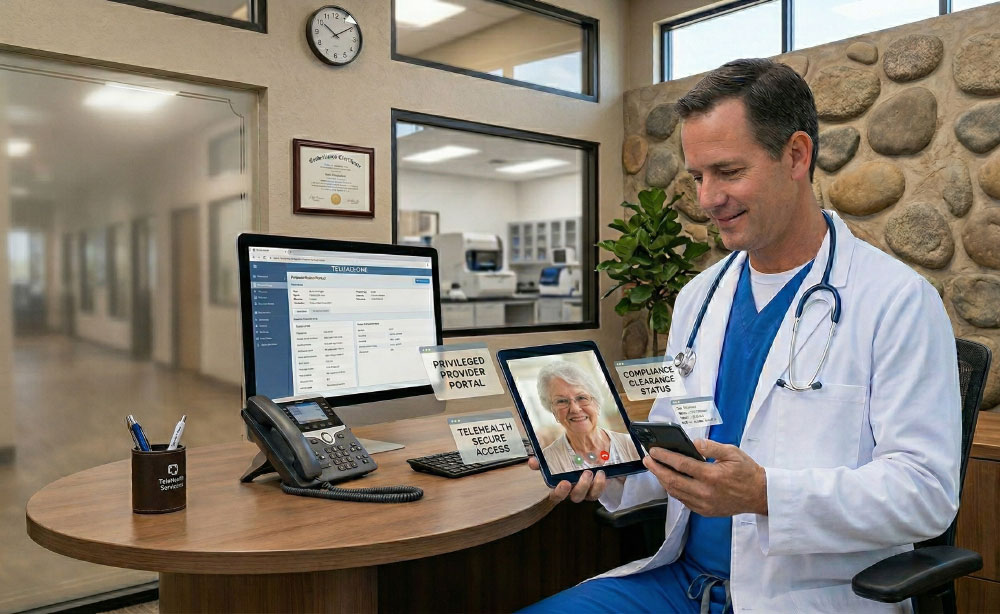
Telemedicine privileging is a critical process that ensures healthcare providers can deliver services remotely while adhering to regulatory standards. This guide will explore the intricacies of telemedicine privileging. As telehealth continues to expand, understanding the mechanisms behind privileging becomes essential for providers aiming to maintain compliance and deliver quality care. Many healthcare professionals face challenges in navigating the complex landscape of telemedicine regulations, but effective privileging can streamline this process. This article will cover the key steps in credentialing, the impact of regulatory compliance, frequently asked questions, and how Nationwide Medical Licensing supports telemedicine privileging to help providers succeed in this evolving field.
What Is Telemedicine Privileging and Why Is It Essential?
Telemedicine privileging refers to the process by which healthcare providers (such as physicians, nurse practitioners, physician assistants, and specialized technicians) are granted the authority to deliver telehealth services based on their qualifications and adherence to regulatory standards. This process is essential because it ensures providers meet the criteria to deliver safe, effective care remotely. By establishing a framework for evaluating provider qualifications, telemedicine privileging enhances patient safety and trust in telehealth services. Nationwide Medical Licensing (NML) plays a pivotal role in assisting providers through this process, offering tailored support to ensure all regulatory requirements are met efficiently.
Understanding Telehealth Provider Privileging and Credentialing Processes
The privileging and credentialing processes involve several key steps that assess a provider’s qualifications, including education, training, and experience. Credentialing typically includes verifying a provider’s licenses, certifications, and work history, while privileging focuses on the specific services a provider is authorized to perform. These processes are crucial for maintaining high standards of care and ensuring compliance with state and federal regulations. NML’s expertise helps providers navigate these steps with confidence, reducing administrative burdens and expediting approvals.
What Are the Key Steps in the Telemedicine Credentialing Process?
The telemedicine credentialing process involves several critical steps that ensure providers are qualified to deliver care. This structured approach helps organizations maintain compliance and uphold patient safety.
- Application Submission: Providers submit an application that includes their credentials, work history, and any relevant documentation. Nationwide Medical Licensing assists in preparing and reviewing these applications to ensure completeness and accuracy.
- Verification of Credentials: Organizations verify the submitted information, including licenses, certifications, and education.
- Privileging Decision: Based on verification results, organizations determine the specific privileges to grant to the provider. Nationwide Medical Licensing supports providers by facilitating communication and documentation to expedite this decision.
Step-by-Step Telehealth Provider Privileging Workflow
The workflow for telehealth provider privileging typically follows these stages:
- Initial Application: Providers complete an application detailing their qualifications. Nationwide Medical Licensing offers expert assistance in compiling and submitting these applications.
- Document Review: Credentialing staff review the application and supporting documents for accuracy. NML ensures all documentation meets regulatory standards to avoid delays.
- Verification Process: This includes contacting references and verifying licenses with state medical boards.
- Approval and Notification: Once verified, the provider is notified of their privileges and can begin offering telehealth services.
Common Timelines and Documentation Requirements for Credentialing
The credentialing process can vary in duration, typically taking anywhere from 30 to 120 days, depending on the organization. Essential documents required for credentialing include:
- Current medical licenses
- Board certifications
- Proof of malpractice insurance
- Resume
These documents are crucial for ensuring that providers meet the necessary standards for telemedicine practice.
How Do Regulatory Compliance and State Licensing Impact Telehealth Privileging?
Regulatory compliance and state licensing significantly influence telehealth privileging, as each state has its own set of rules governing telemedicine practices. Understanding these regulations is essential for providers to ensure they are operating within legal boundaries. Nationwide Medical Licensing stays abreast of these regulations and provides up-to-date guidance to providers, helping them navigate complex state-specific requirements.
Understanding State Medical Board Regulations for Telemedicine
State medical boards establish regulations that dictate the practice of telemedicine within their jurisdictions. These regulations can vary widely, affecting everything from licensing requirements to the types of services that can be offered. Providers must stay informed about these regulations to avoid potential legal issues.
Navigating Evolving Telehealth Licensing and Compliance Standards
As telehealth continues to evolve, so do the licensing and compliance standards. Recent trends indicate a shift toward more streamlined processes, including interstate compacts such as the Interstate Medical Licensure Compact (IMLC), but providers must remain vigilant in adapting to these changes. Staying up to date on regulatory developments is crucial for maintaining compliance and ensuring the delivery of quality care. NML actively monitors these changes and advises providers on how to adjust their credentialing and privileging strategies accordingly.
How Does Nationwide Medical Licensing Support Telemedicine Privileging?
Nationwide Medical Licensing specializes in comprehensive medical licensing and credentialing services tailored for healthcare providers and organizations. Our expertise in telemedicine privileging ensures that providers can navigate the complexities of compliance and credentialing effectively. By offering personalized support, we help reduce administrative burdens, accelerate credentialing timelines, and maintain ongoing compliance with state and federal regulations.
Expert Guidance on Telehealth Credentialing and Compliance Services
Nationwide Medical Licensing offers expert guidance on the credentialing process, helping providers understand the requirements specific to their state(s) and specialty. Our team of professionals assists in streamlining the application process, ensuring that all necessary documentation is submitted accurately and promptly. This expert support is invaluable for providers seeking to expand their telehealth services without delays or compliance issues.
Frequently Asked Questions About Telehealth Privileging
Understanding common questions about telehealth privileging can help providers navigate the process more effectively.
How Does Telemedicine Privileging Differ from Traditional Privileging?
Telemedicine privileging differs from traditional privileging primarily in the way it affects service delivery. While traditional privileging focuses on in-person care, telemedicine privileging evaluates a provider’s ability to deliver care remotely, considering factors such as technology proficiency and remote patient management. Nationwide Medical Licensing helps providers address these unique aspects to ensure comprehensive privileging.
What Are Typical Compliance Deadlines and Credentialing Status Updates?
Compliance deadlines and credentialing status updates can vary by organization and state regulations. Providers should expect to receive updates throughout the credentialing process, typically within the 30 to 120-day timeframe. Staying proactive in communication with credentialing staff can help ensure timely updates and address any potential issues. Nationwide Medical Licensing offers ongoing status tracking and communication support to keep providers informed and prepared.
Partner with Nationwide Medical Licensing for Seamless Telehealth Privileging
Successfully navigating telemedicine privileging requires expertise, attention to detail, and up-to-date knowledge of regulatory requirements. Nationwide Medical Licensing stands out as a trusted partner, offering comprehensive services that simplify the credentialing and privileging process for telehealth providers. Our dedicated team ensures that providers meet all necessary standards efficiently, allowing them to focus on delivering quality care remotely. To streamline your telehealth privileging and maintain compliance with confidence, contact Nationwide Medical Licensing today and take the next step toward expanding your telemedicine services.